
Understanding the fundamental architecture of modern network connectivity remains a crucial requirement for achieving consistent digital performance and unlocking the secrets of high-speed data transmission within a remote work environment. Learning to navigate the complexities of local area networks and wide area networks ensures that productivity remains unhindered by common technical bottlenecks, and mastering these interfaces allows for the seamless integration of advanced hardware and software solutions. Discovering the most effective methods for maintaining system integrity while troubleshooting connectivity errors significantly boosts the overall reliability of your professional setup, and focusing on these core competencies provides the foundation necessary for sustained technological growth and expansion.
1. Mastering Microsoft Quick Assist for Instant Connectivity
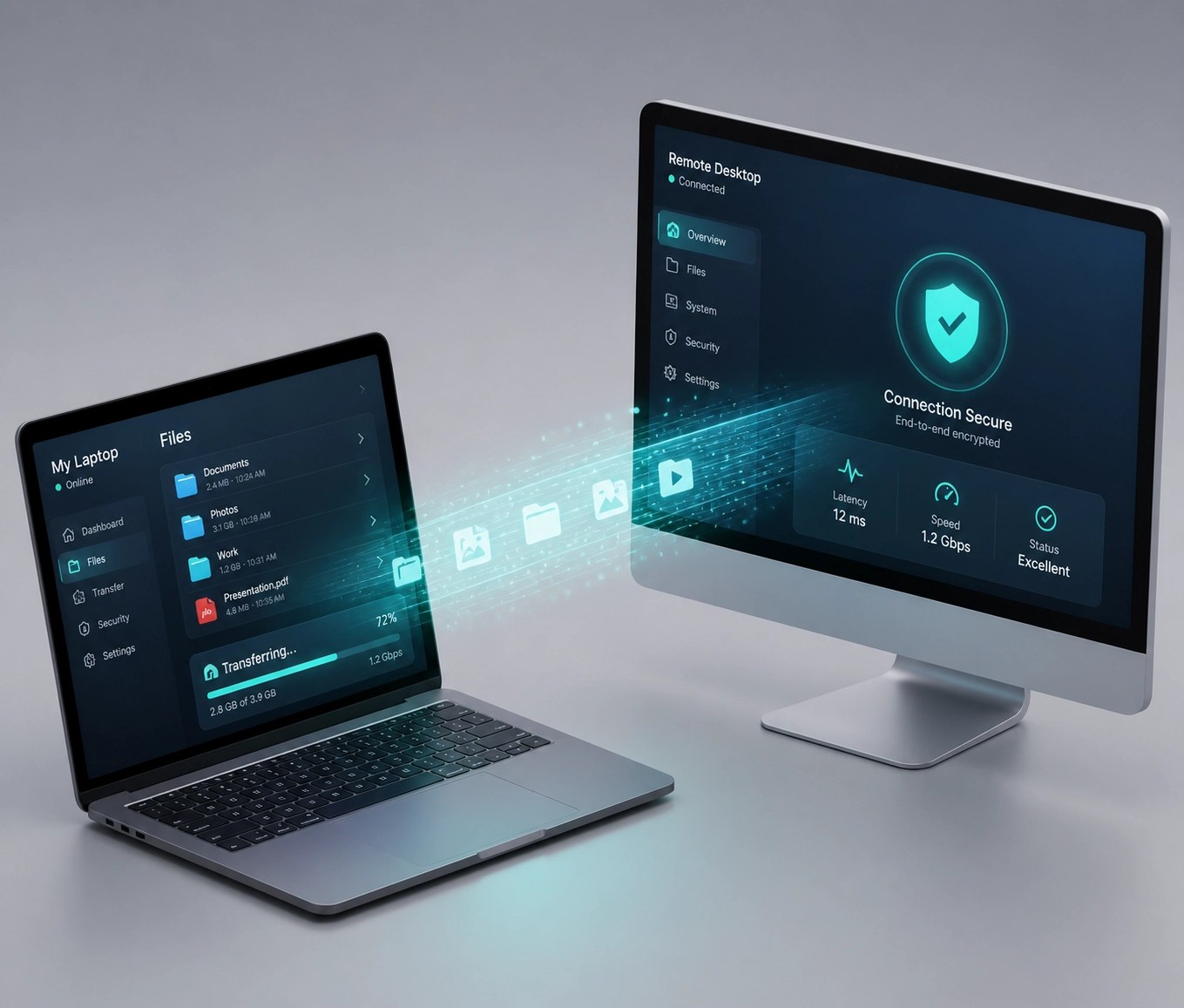
Unlocking the hidden potential of native Windows tools provides an immediate advantage when addressing urgent technical glitches, and utilizing Microsoft Quick Assist stands as one of the most effective strategies for rapid remote troubleshooting. This built-in utility bypasses the need for complex third-party installations and allows for a secure, encrypted connection between devices, which significantly increases the speed at which support can be delivered to end-users. Understanding the nuances of screen sharing and remote control within this environment ensures that diagnostic procedures are performed with precision, and mastering this tool can significantly enhance the efficiency of any remote support interaction.
2. Implementing the DNS Flush to Resolve Resolution Errors
Addressing persistent web connectivity issues requires a deep understanding of the Domain Name System and the internal caching mechanisms that can occasionally store outdated or corrupted data. Learning to execute a manual DNS flush via the command prompt clears the local resolver cache and forces the operating system to request fresh IP information from the server, which effectively resolves most "site not found" errors and latency spikes. This simple yet powerful hack ensures that your network requests are routed correctly and efficiently, and incorporating this step into your regular maintenance routine significantly enhances the reliability of your browsing experience and remote application access.
3. The Physical Layer: Mastering the 30-30-30 Reset
Recognizing that hardware stability often dictates the performance of the entire network stack is essential for maintaining a high-performance digital environment, and utilizing the 30-30-30 reset method provides a definitive solution for stubborn router malfunctions. This procedure involves holding the reset button for thirty seconds while powered on, thirty seconds while powered off, and a final thirty seconds after restoration, which completely clears the NVRAM and returns the device to its factory state. Implementing this reset clears deep-seated configuration errors and firmware loops that standard power cycles might miss, and understanding this physical-layer solution can significantly reduce the time spent on troubleshooting persistent wireless dropouts.
4. Leveraging IPConfig for Rapid Network Diagnosis
Discovering the internal state of your network configuration through the command line interface offers a level of insight that graphical interfaces often obscure, and mastering the various IPConfig switches is a crucial skill for any tech-savvy professional. Utilizing commands like /release and /renew allows for the immediate refreshing of DHCP leases and ensures that your device maintains a valid local IP address within the correct subnet. Understanding how to interpret the gateway and subnet mask information provided by these commands reveals hidden conflicts within the network infrastructure, and applying this knowledge significantly increases your ability to diagnose and resolve IP address collisions or routing failures.

5. Strengthening Cybersecurity with MFA and Hygiene
Enhancing the security perimeter of your remote workspace involves more than just software updates; it requires a disciplined approach to password management and the implementation of multi-factor authentication across all critical access points. Utilizing robust encryption protocols and maintaining a clean system environment by removing unnecessary background processes protects sensitive data from unauthorized access and potential cyber threats. Learning to identify the subtle signs of phishing and malware allows for the proactive defense of your digital assets, and prioritizing these security measures ensures that your network remains secure and resilient against the evolving landscape of digital vulnerabilities.
6. Remote System Optimization and Latency Reduction
Boosting the performance of remote desktop sessions and cloud-based applications requires a focused effort on minimizing background network consumption and optimizing system resource allocation. Identifying bandwidth-hungry applications that operate in the background and adjusting their priority or disabling their auto-start features can significantly decrease latency and improve the responsiveness of critical tasks. Discovering the optimal settings for remote display protocols and network adapter configurations enhances the clarity and speed of remote interactions, and mastering these optimization techniques ensures that your virtual workspace remains as fluid and efficient as a local environment.
7. Cloud-Based Documentation and Snapshot Fixes
Creating a comprehensive digital trail of system configurations and network settings provides a safety net that is essential for rapid recovery after a major technical failure, and utilizing cloud-based documentation tools facilitates instant access to these records from any location. Learning to take system snapshots before major updates or configuration changes allows for a quick rollback if errors occur, which significantly reduces the potential for prolonged downtime. Maintaining an organized database of network passwords, IP assignments, and hardware specifications empowers you to handle complex issues with confidence, and prioritizing this level of documentation ensures that your technological infrastructure remains manageable and scalable.
Daily Tech Picks: Gear for the Modern Content Creator
Understanding that high-quality output requires professional-grade hardware is the first step toward elevating your digital presence, and our daily picks focus on the tools that deliver the best performance for the modern creator. The Sony ZV-E10 remains a top recommendation for its exceptional autofocus and compact form factor, making it the perfect choice for high-quality video production and live streaming. For those seeking a powerful mobile workstation, the Dell XPS 15 offers a stunning display and the processing power needed for intensive video editing and network management tasks. Additionally, the ASUS RT-AX88U Pro provides the Wi-Fi 6 stability and advanced security features required to keep your professional network running at peak efficiency.

🚀 Boost Your Brand with Network Repair1 LLC
✨ Professional Product Video Services: We create high-impact video content specifically designed for Shopify and Amazon listings.
✨ Remote IT Support: Expert troubleshooting for networks, cybersecurity, and system optimization.
✨ Custom Tech Solutions: We help you select and set up the perfect gear for your specific needs.
✨ Content Strategy: Unlock the potential of your brand with professional media production.
🔗 Let’s Connect:
📸 Instagram: [Instagram]
🎥 YouTube: [YouTube]
🎵 TikTok: [TikTok]
👤 Facebook: [Facebook]
🤝 Work With Us: Let's collaborate to grow your business together through professional tech support and stunning media content.
All the gear mentioned in today's post and our daily reviews are featured on the YouTube channel.
Loved today’s review? You can find this product and all our top picks on our official Amazon storefront: https://www.amazon.com/shop/networkrepair1?ref_=cm_sw_r_cp_ud_aipsfshop_XV0ER95A5EVVJDPA7W6A_1

Contact Network Repair1 LLC:
Octavio (Founder / Owner)
oq@networkrepair1.com