

Security Brief: Critical Linux TCP flaw demands attention
Treat Linux kernel patching as a crucial part of protecting business systems, especially internet-facing servers, NAS devices, development machines, VPS instances, and cloud workloads. CVE-2026-98432 is a critical use-after-free race in IPv4 TCP connection-request handling, with a CVSS 9.8 score; the kernel function tcp_v4_syn_recv_sock() transfers ireq->ireq_opt without copying it, creating a timing window that can expose vulnerable memory handling.

The risk is more than theoretical: Anthropic researchers report that an unreleased Claude model found the flaw and built an exploit that bypassed KASLR and achieved remote root code execution on a server running an MPTCP listener in about 53 minutes. The underlying flaw also affects ordinary TCP connections, but public remote-code-execution demonstrations have so far involved servers with an MPTCP listener; Red Hat describes exploitation as difficult to trigger and classifies the impact as potential denial of service, with a 5.9 score. No confirmed in-the-wild exploitation has been reported, and macOS is not affected.
A detail that can catch administrators off guard is Go 1.24’s default behavior on Linux: TCP listeners can use Multipath TCP when the kernel supports it, so some Go-based network services may expose an MPTCP listener without an administrator intentionally enabling one. Inventory Go services alongside exposed listeners, then check distribution advisories and install the vendor kernel update as soon as it is available; complete the patch cycle with a reboot so the system actually runs the fixed kernel. Upstream fixes have been backported to kernel versions 5.10.272, 5.15.223, 6.1.190, 6.6.159, 6.12.113, 6.18.56, 7.2.10, and 7.3, while Debian 12 and 13 have fixes in 6.1.190-1 and 6.12.113-1, respectively.
As of October 30, Ubuntu 22.04, 24.04, 26.04, and 26.10, along with RHEL 8, 9, and 10 and Rocky Linux 8, 9, and 10, still had fixes in progress; Oracle Linux, Amazon Linux, and SUSE had released fixes for some versions. Where a patch has not shipped, reduce exposure by restricting access to trusted networks and IP addresses, and consider the temporary nftables mitigation in CIQ’s advisory that blocks IPv4 TCP packets containing IP options. Treat firewall controls as a bridge to patching, not a replacement, and do not rely on disabling MPTCP alone because ordinary TCP traffic can still reach the vulnerable code. For help with patch management and Linux server hardening, explore Network Repair1 remote services.
Desk Upgrade: Samsung Odyssey G5 G50F at $209.99
The Samsung Odyssey G5 (G50F), model LS32FG502ENXZA, is reported at $209.99 on Amazon, 40% below its $349.99 list price. It pairs a 32-inch flat IPS panel and matte finish with 2560 × 1440 QHD resolution, refresh rates up to 180Hz, and a 1ms GtG response time. For a big-brand 32-inch high-refresh IPS screen, this is an unusually accessible price point, particularly for mid-range gaming PCs and desk-based PS5 or Xbox setups.
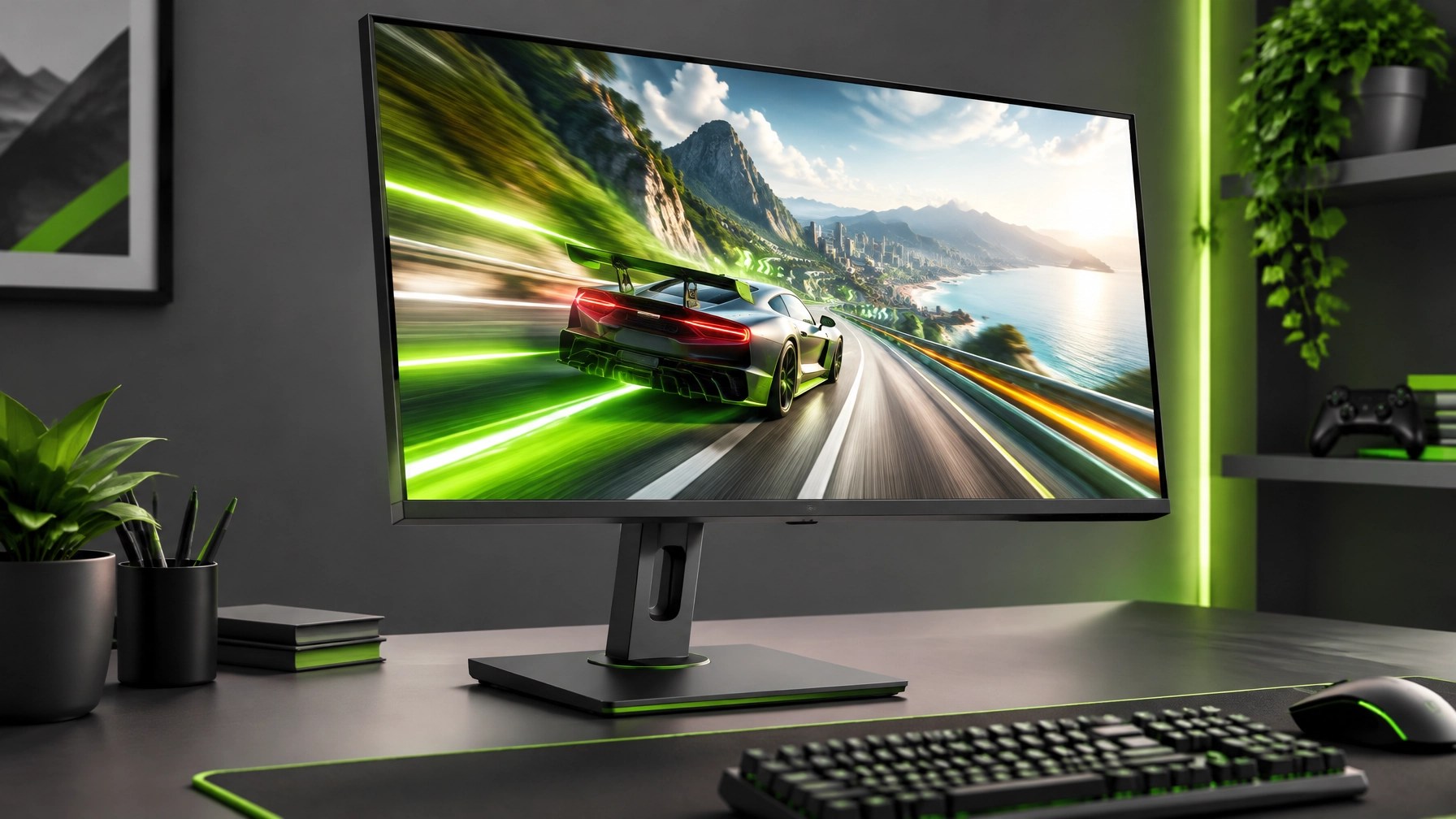
The feature set includes 300-nit brightness, HDR10, 1000:1 contrast, AMD FreeSync and NVIDIA G-Sync Compatible support, plus one DisplayPort 1.2 input, one HDMI 2.0 input, and a headphone jack. The ergonomic stand adjusts for height, tilt, swivel, and pivot, while both HDMI and DisplayPort cables are included. Black Equalizer and Virtual Aim Point add gaming-focused display options.
Set expectations around the trade-offs: HDR10 is limited by the 300-nit brightness and absence of local dimming, while IPS blacks can look grayish in a dark room. Use DisplayPort to reach the full 180Hz on a PC; HDMI is capped at approximately 144Hz. There are only two video inputs and no daisy-chaining, and QHD across 32 inches works out to about 93 pixels per inch, so text appears less crisp than on a 27-inch QHD or 32-inch 4K display. The result is a compelling gaming-first value, but not an ideal choice for dark-room movie viewing or text-heavy work.
The practical takeaway
Prioritize server exposure and patch status before considering a desk upgrade: overlooked Linux devices can remain reachable even when their main business computers are current, and routine update-and-reboot discipline can significantly reduce risk. The G5 deal, meanwhile, offers a large, smooth QHD screen at a modest price, provided its display and connection limitations fit the setup. Network Repair1 has reached 13,000 YouTube subscribers and more than 1.1 million lifetime views, sharing practical technology and product content for a growing audience.
For Shopify and Amazon sellers, our product video services can help present products through informative reviews and engaging digital content. For small businesses and individuals, remote IT support can help with troubleshooting, network diagnostics, system optimization, and server hardening.
Daily Links
- BleepingComputer: Critical Linux kernel flaw allows remote root attacks on MPTCP servers
- Anthropic: Discovering vulnerabilities with Claude
- Ubuntu security tracker: CVE-2026-98432
- Samsung Odyssey G5 32-inch deal details
- Network Repair1 remote services
Let’s collaborate
- 🎥 Product videos: Partner with us to showcase products for Shopify and Amazon sellers.
- 💻 Remote support: Work with us to improve security and keep business technology productive.
- 📈 Audience reach: Share your brand with a community backed by 13,000 YouTube subscribers and over 1.1 million lifetime views.
Ready to upgrade your tech? Check out our curated list of essential tools to keep you connected and productive.
The items mentioned are featured on the YouTube channel.
Amazon Storefront
📞 805-723-9608
oq@networkrepair1.com
Leave a Reply