
Security Brief: When the guard becomes the delivery vehicle
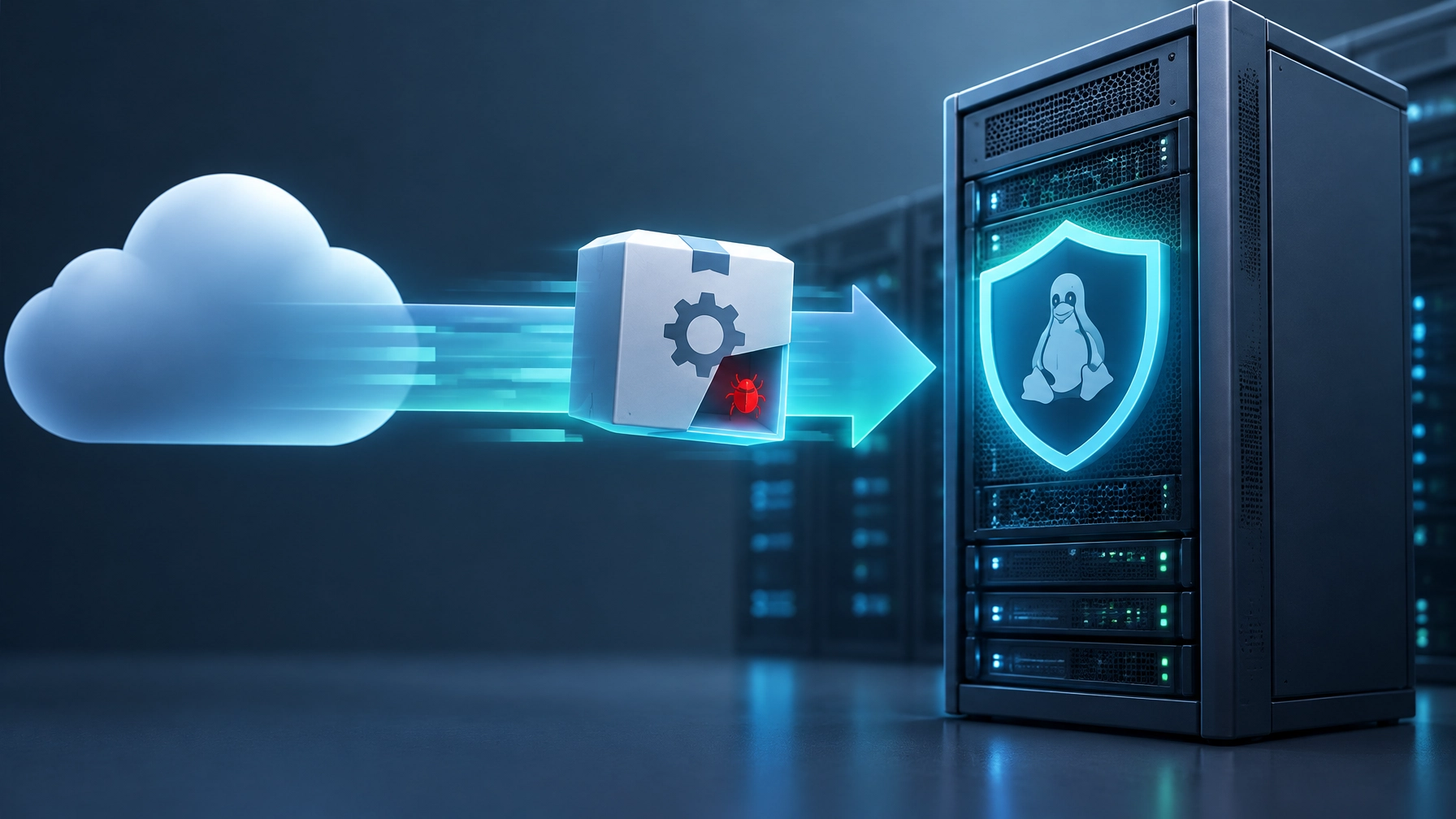
Treat the cPGuard incident as a reminder that trusted software updates are part of the attack surface. OpsShield, an Indian IT security company, makes cPGuard, a security suite for Linux web-hosting servers. On November 2, attackers used compromised credentials to access the company’s update distribution infrastructure and send malicious software through cPGuard’s own update channel. The tool meant to protect servers became the delivery vehicle. Not exactly the kind of feature anyone wants.
The setup began the day before. According to OpsShield, the attacker registered a customer account under a false identity, ordered a free cPGuard trial, and installed it to study how the agent communicated with the licensing system. About 90 minutes later, crafted requests to billing-portal callback pages led to command execution on the billing and licensing server. From the first probe to a fake update, the operation took about 10 hours. OpsShield says attackers are using AI tools to scan for weak points, read unfamiliar code, and build custom tools in hours rather than weeks.
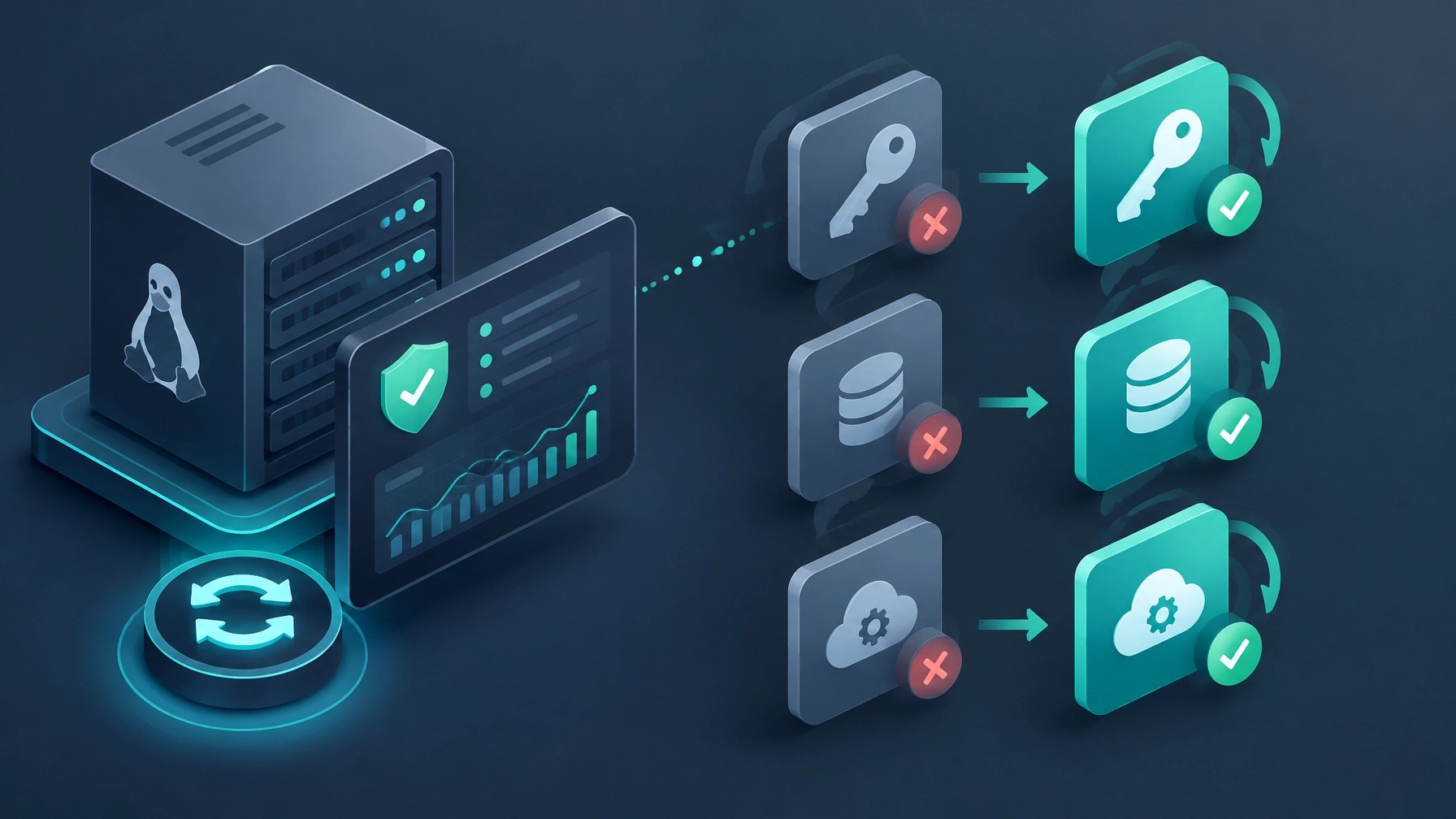
Between 02:04 and 02:09 UTC on November 2, the attacker used a stolen access key to upload fake cPGuard versions 5.88.12 through 5.88.19. For more than 70 minutes, cPGuard agents installed the updates on about 2,950 customer servers and ran the malicious script as root. The script gathered sensitive files and sent them to OpsShield’s own licensing server, where the attacker could retrieve the data under a compromised account. OpsShield says it recovered 32 uploaded files, each from a different customer server.
The collected information included password hashes, root SSH keys, MySQL root passwords where present, cloud storage keys, and root shell history, which can contain typed passwords and tokens. The script also left a hidden root shell at /var/tmp/.cpg91511_sh, files in /var/tmp/.i93677/, and a scheduled task. Separately, the attacker copied about 7,900 billing records containing customer names, company and postal details, email addresses, and bcrypt-hashed passwords, and cloned three OpsShield cloud servers.
The compromise was discovered within 12 hours, and the malicious updates were distributed for roughly 70 minutes. That short window matters, but it does not make exposure impossible: update agents check in at intervals, so some servers may have missed the fake package while others installed it. An affected version in update history confirms installation, not necessarily that the script ran or data was transferred.
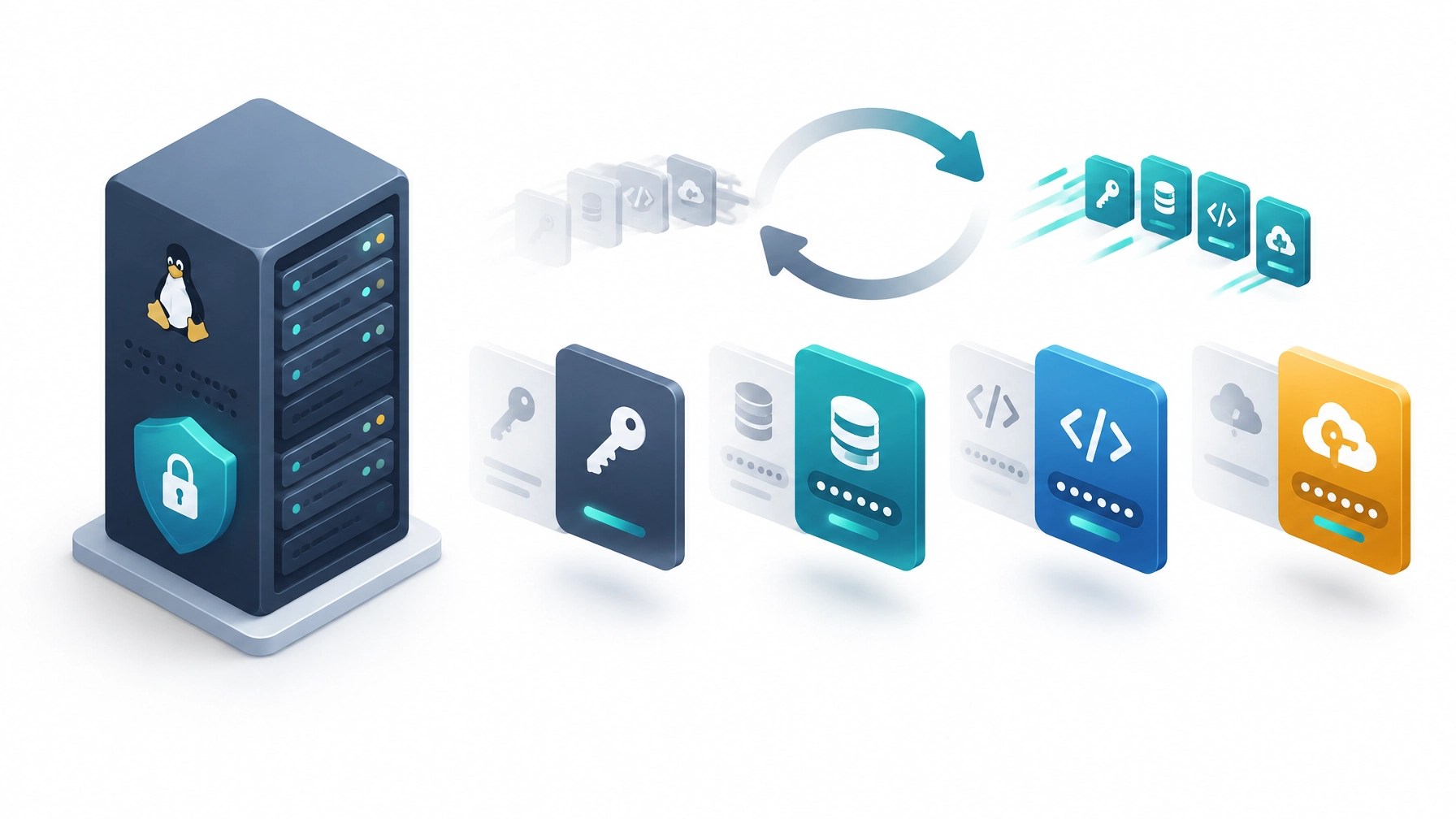
OpsShield released clean updates and published indicators of compromise. Its guidance is to update to cPGuard 5.88.26 or later; that version removes the hidden root shell, and a follow-up update addresses the scheduled task. The company also revoked stolen keys, replaced its SSH keys and passwords, reset billing sessions, began reissuing license key pairs, and is rebuilding its billing, licensing, and management servers from clean images.
For administrators, start by checking whether an affected version was installed, then follow OpsShield’s current incident guidance. If the script ran or may have run, reset root and local Linux account passwords from a trusted recovery environment. Rotate database passwords, S3 access keys, DigitalOcean tokens, and other API credentials or tokens that may appear in root’s shell history or /root/.s3cfg. Replace SSH private keys under /root/.ssh, and remove their old public keys from every system that trusts them. Reset the OpsShield billing portal password and enable two-factor login, even if cPGuard was offline during the distribution window.
OpsShield says a server that was not online during the window did not receive the fake update, though the billing password should still be reset. Customers confirmed to have had hands-on attacker access should rebuild from a clean backup taken before November 1. A rebuild is not automatically necessary for every server; treat the situation according to the evidence and the vendor’s updated advice.
For small businesses and anyone running a VPS or hosting environment, the bigger lesson is straightforward: an update channel is a trusted pipeline with high privileges on every machine that checks in. A security agent running as root is among the most trusted software on a server, and that server may also host business websites and services. Inventory which security and monitoring agents run with elevated permissions, subscribe to each vendor’s security advisories, rotate exposed secrets, and avoid storing plaintext credentials in shell history. Use a password manager or secret manager instead. When a root-level compromise is confirmed or system integrity cannot be established, rebuilding from a clean image can be safer than trying to scrub the system in place.
Desk Upgrade: A fanless Mac for everyday work

The Apple MacBook Air 13-inch with M5, 16GB unified memory, and a 512GB SSD is listed at $1,099 at Amazon in Sky Blue, $200 (15%) below its $1,299 list price. The model was rated 4.7 out of 5 from 1,348 reviews and sold by Amazon.com. Best Buy’s comparable 16GB/512GB model was $1,269, making the Amazon price $170 lower when checked for this roundup. Prices and availability can change, so confirm the configuration and total before ordering.
For everyday business work, the appeal is quiet simplicity: a 13.6-inch Liquid Retina display with 2560 × 1664 resolution, 12MP Center Stage camera, Touch ID, Wi-Fi 7, and Apple-rated battery life of up to 18 hours. The fanless design suits browser-based tools, email, spreadsheets, light photo work, and remote support sessions without adding fan noise to calls.
There are trade-offs. Memory and storage are not upgradeable later, so buy the configuration intended to last. Amazon’s listing does not state the GPU core count, so check the configuration panel before ordering if that detail matters. Skip this setup for long 4K video edits, local AI models, or large virtual machines; those workloads benefit from more memory and active cooling.
The practical takeaway
A capable laptop can make daily work smoother, but hardware is only one part of a reliable setup. The cPGuard incident shows why trust in the update pipeline belongs in the threat model: keep systems patched, rotate secrets after possible exposure, and do not assume every update is clean just because it came from a familiar security product. Good gear and careful operations can work together to protect productivity.
Daily Links
- SecurityWeek: Malicious cPGuard Updates Served in OpsShield Supply Chain Attack
- Help Net Security: Poisoned cPGuard Update Hits Thousands of Web Hosting Servers
- OpsShield: cPGuard Update Channel Compromise Notice
- The Solo Toolbox: Tech Deals for November 5, 2026
- Network Repair1: Remote Services
Let's collaborate
- 🚀 Milestone: 13,000+ YouTube subscribers and over 1.1 million lifetime views.
- 🎥 Product videos for Shopify and Amazon sellers: Let’s create content together.
- 🛠️ Remote IT support: Get help with computers and networks.
- 🤝 Let’s collaborate and grow meaningful reach together.
Ready to upgrade your tech? Check out our curated list of essential tools to keep you connected and productive.
The items mentioned are featured on the YouTube channel.
https://www.amazon.com/shop/networkrepair1?ref_=cm_sw_r_cp_ud_aipsfshop_XV0ER95A5EVVJDPA7W6A_1
📞 805-723-9608
Leave a Reply